Practical Safety: A Guide for Staying Secure Online in East Africa
Digital safety does not require technical expertise. It requires consistent habits. This guide covers seven practices that reduce your exposure to fraud, account theft, and data loss.
Lindanix Research
· 9 min read
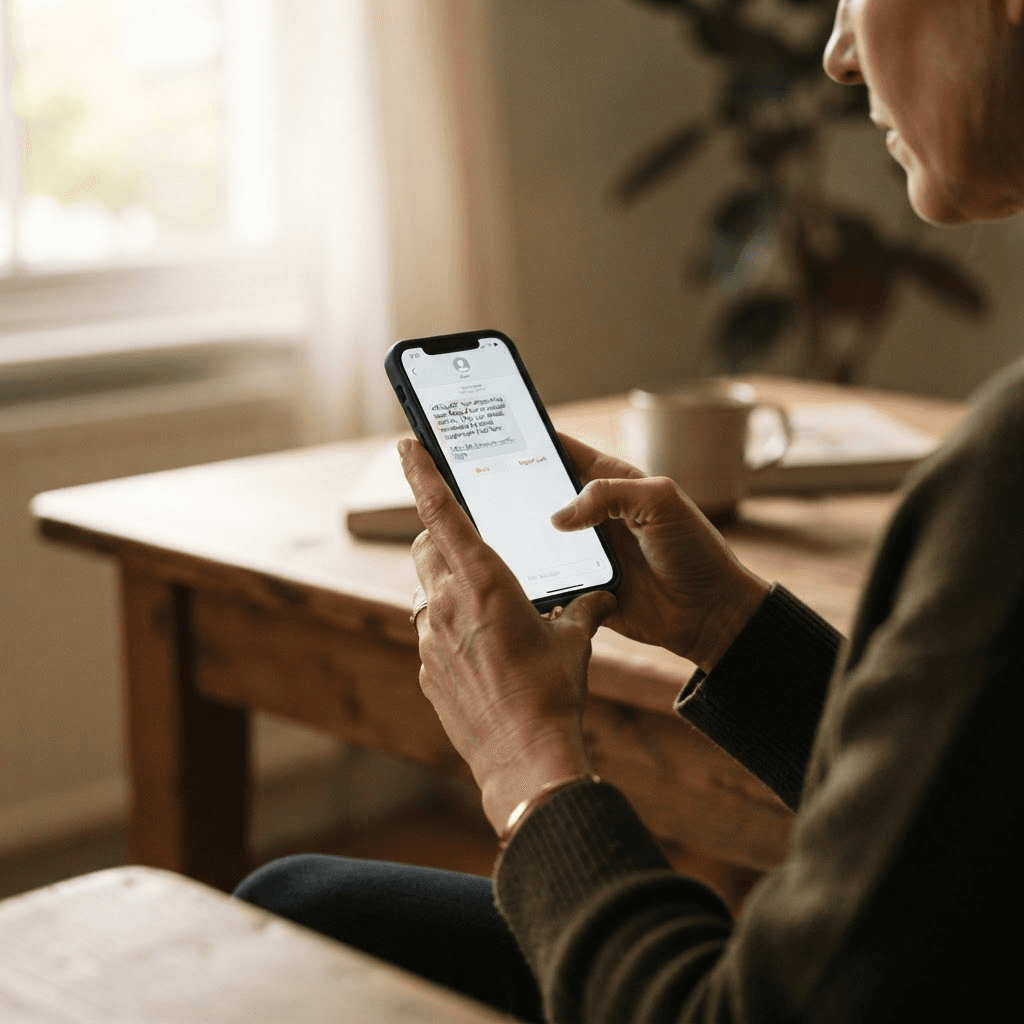
Digital safety has a reputation problem. It is often communicated as a list of technical rules that require constant vigilance and specialized knowledge. The reality is simpler. Most fraud succeeds not because victims are careless, but because attackers are skilled at exploiting the exact moment when a person is distracted, stressed, or hopeful.
The following practices are not about being suspicious of everything. They are about building a small number of habits that protect you reliably without changing how you use your phone or the internet.
1. Pause before acting on any urgent message
The single most effective fraud prevention technique is a deliberate pause. Fraudulent messages are engineered to create a window of panic short enough that you act before you think. A two-minute pause — during which you do not click anything, do not call back the number provided, do not send money — breaks that window.
Ask yourself: does this request make sense given what I already know? Would my bank really send this kind of message? Can I verify this through a channel I control?
2. Keep one number private for financial accounts
Use a separate phone number — or a separate SIM — exclusively for your mobile money and banking accounts. Share it with no one except the financial institution itself. This number should not appear on any social media profile, WhatsApp group, or public directory. It is significantly harder to SIM-swap, phish, or socially engineer a number that no attacker knows exists.
3. Never share codes sent to your phone
One-time codes, confirmation PINs, and verification codes are sent to your phone specifically because they are something only you can receive. Any caller asking you to share such a code — regardless of who they claim to be — is attempting fraud. Legitimate companies never ask for these codes because they already know what they sent.
4. Use the official app, not a link
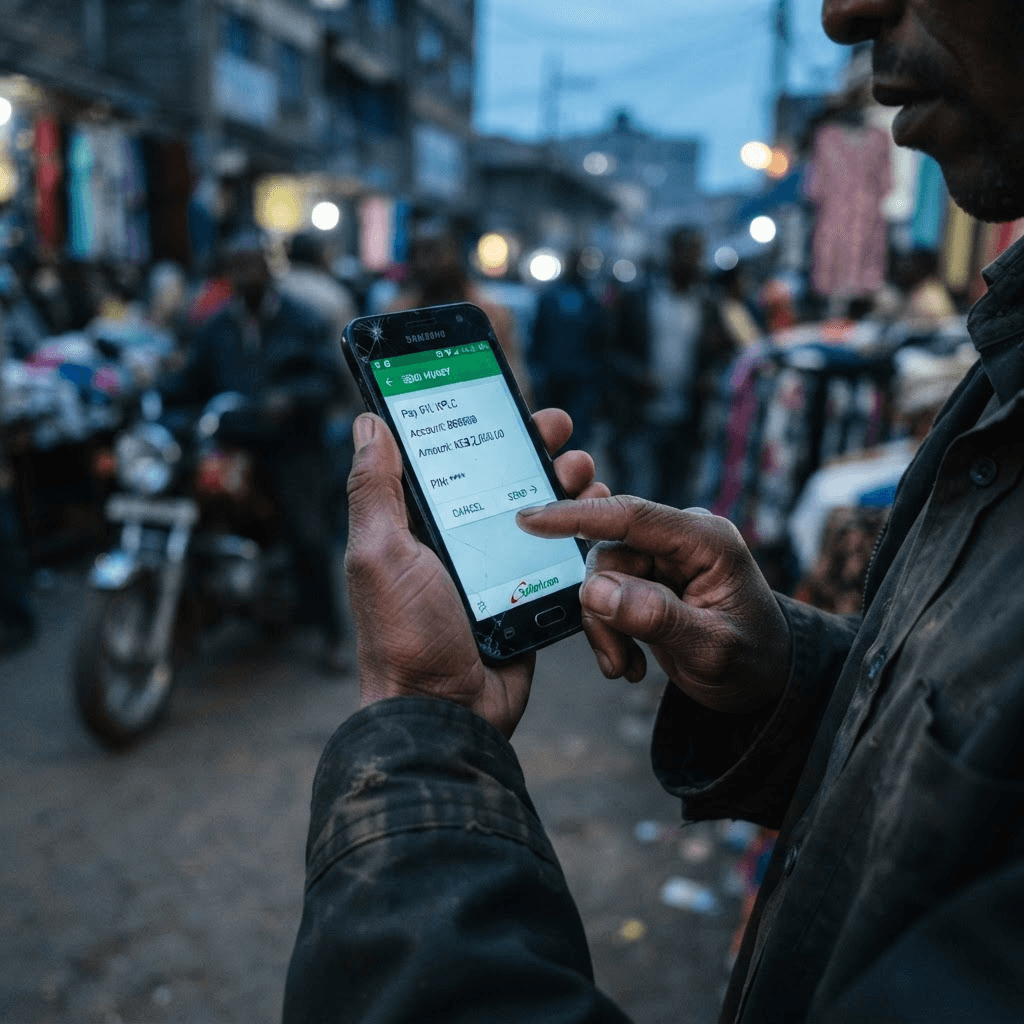
When you need to check your mobile money balance, pay a bill, or log in to your bank, open the official app directly. Do not click a link in a message, even if the message appears to come from the institution. Navigate to your financial accounts by opening the app you installed, not by following links.
5. Check app permissions once a year
Some malicious applications request access to your SMS messages. With that access, they can silently read one-time codes and forward them to attackers. Every few months, review the applications on your phone and revoke SMS access from any app that does not have a clear reason to need it.
6. Report fraudulent messages
Reporting a fraudulent message takes less than a minute and contributes to the public record that protects others. In Tanzania, you can forward fraudulent SMS to your mobile network operator's abuse line. You can also submit reports through Lindanix, which uses community-contributed data to improve its detection models.
7. Use Lindanix before you act
Before you respond to an unexpected request — whether it comes by message, voice note, screenshot, or document — paste it into Lindanix. The app analyses it against known fraud patterns and returns a verdict. You remain in control. Lindanix gives you the information to act with confidence rather than pressure.
Digital safety in East Africa is not about distrust. It is about giving yourself enough time and information to make the right decision.
Lindanix
Check any message before you act.
Paste a message, share a screenshot, or forward a link. Lindanix analyses it and returns a verdict — Safe, Suspected, or Danger — before you respond.
Download the app