How to Recognize Fraud Before You Respond
Fraudsters rarely announce themselves. They craft messages that feel normal — until the moment they do not. Here is what separates a real message from a dangerous one.
Lindanix Research
· 6 min read
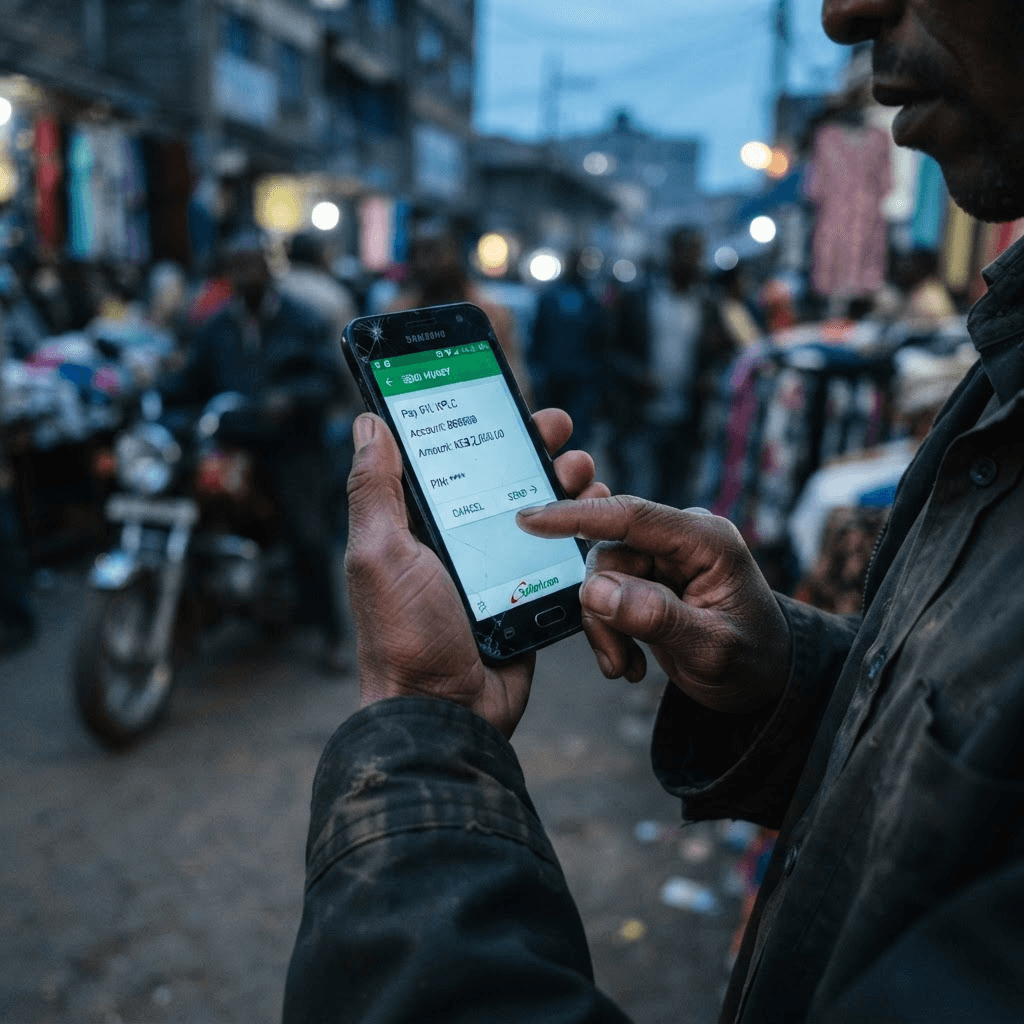
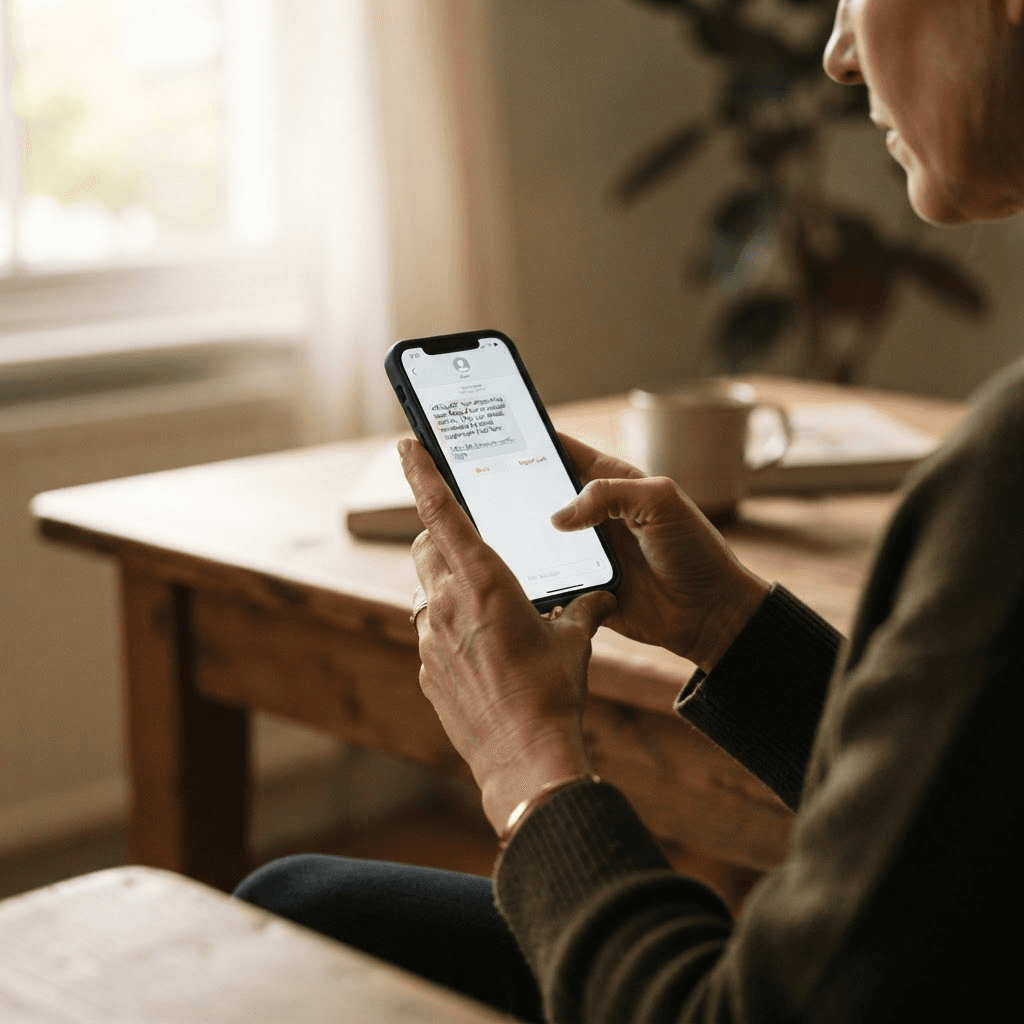
Fraud in East Africa is not abstract. It arrives as a text message, a voice note, a WhatsApp forward, or a PDF attachment from someone claiming to be your bank, your employer, or the Tanzania Revenue Authority. The messages are designed to feel urgent and legitimate at once.
Understanding how fraud works is the first step toward not falling for it.
The anatomy of a fraudulent message
Every fraudulent message shares at least one of three qualities: urgency, authority, and a request for action. A message that says "Your account will be suspended unless you verify your details within two hours" is deploying all three simultaneously. The deadline creates panic. The institution — your bank — creates trust. The request for action gives you something to do before you have time to think.
Real institutions do not operate this way. Tanzania Revenue Authority does not send penalty notices through WhatsApp. Your mobile money provider does not ask for your PIN to "verify" a transaction. A legitimate employer does not require a registration fee before your first day of work.
Numbers and names that look right but are not
Phone numbers and sender names can be spoofed. A message appearing to come from "+255 800 000 123" or displaying the name "Vodacom Tanzania" may originate from an entirely different number. Fraudsters purchase short-code spoofing services that make their messages appear in the same thread as genuine alerts from your bank.
Look at the content of the message, not just who sent it. Does the request make sense given what you know? Would your bank ever need you to share a one-time code they just sent you? No. That code exists specifically so no one else — including your bank — needs to know it.
Screenshots and PDF attachments
A growing pattern involves fraudulent documents — fake payment confirmations, false employment contracts, counterfeit court orders. These are sent to pressure recipients into paying a fee, sharing account details, or taking an action they would not otherwise take.
Before you act on any document you did not request, verify it through an independent channel. Call the organization directly using a number you find yourself, not one provided in the document.
What Lindanix does differently
Lindanix does not rely on your ability to remember these rules in a moment of pressure. When a message arrives, you paste it into the app or share a screenshot. The app analyses the content — language patterns, linked domains, phone number reputation, document metadata — and returns a verdict. Safe. Suspected. Danger.
You still make the final decision. Lindanix gives you the information to make it without panic.
Lindanix
Check any message before you act.
Paste a message, share a screenshot, or forward a link. Lindanix analyses it and returns a verdict — Safe, Suspected, or Danger — before you respond.
Download the app