The Most Common Mobile Money Scams in Tanzania
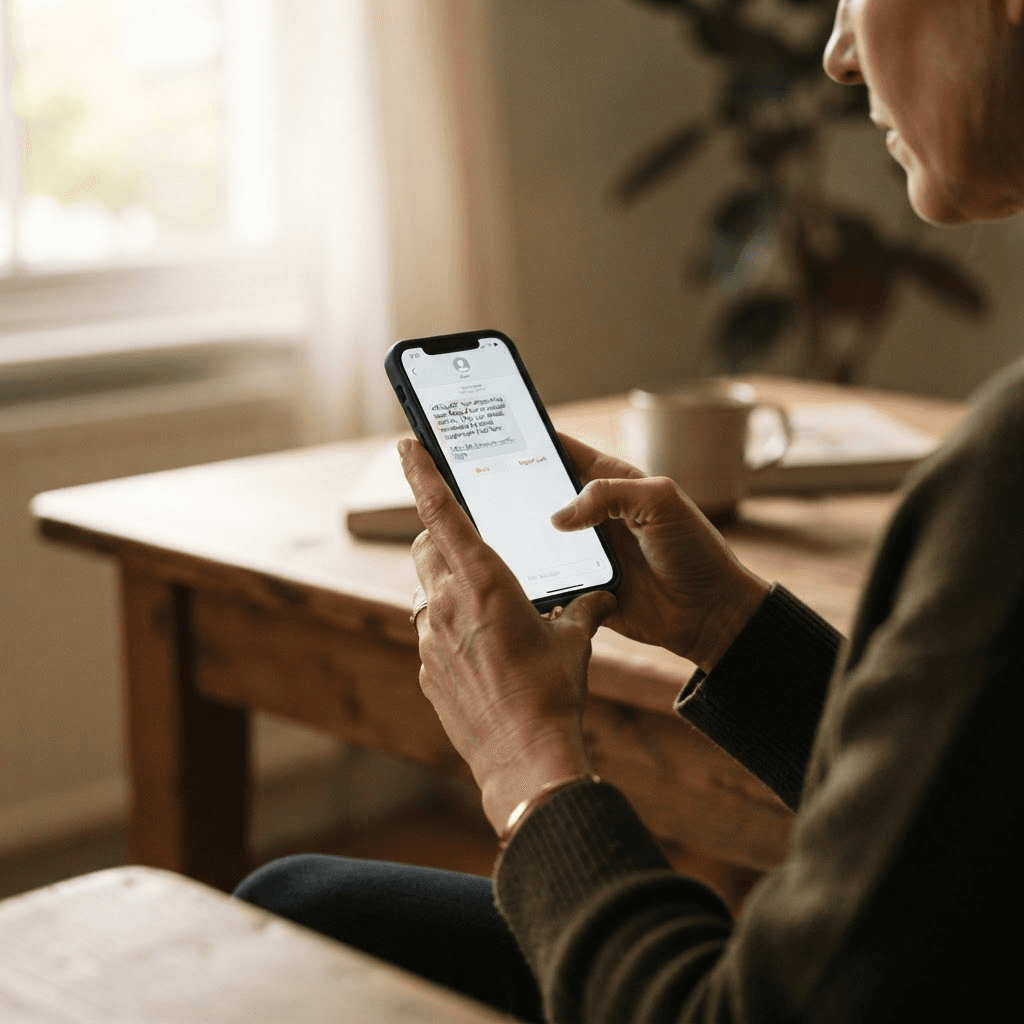
More than 8 million Tanzanians were targeted by mobile money fraud last year. These are the six schemes that caused the most harm — and what each one looks like in your inbox.
Lindanix Research
· 8 min read
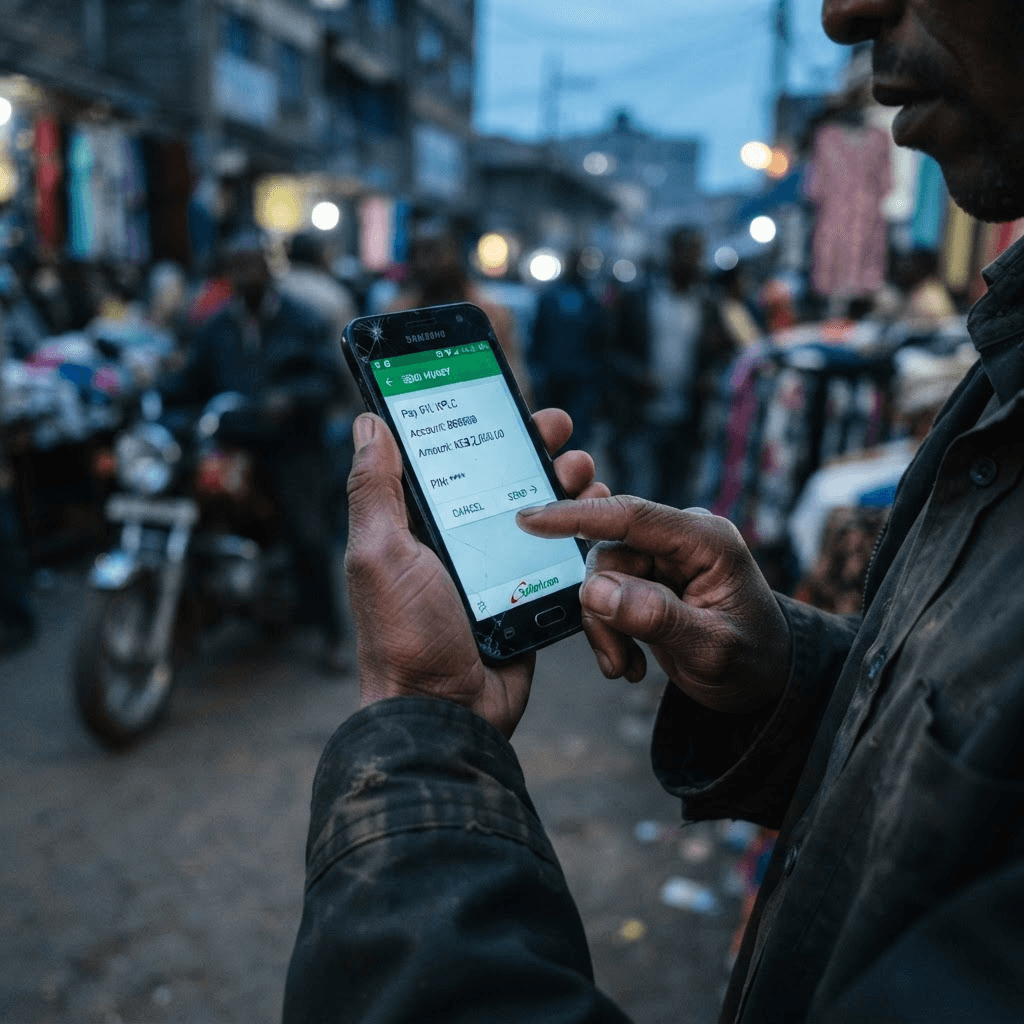
Mobile money changed how East Africa moves money. M-Pesa, Airtel Money, Tigo Pesa, Halopesa — these platforms handle hundreds of billions of shillings every day and serve communities that have never had a bank account. That reach and trust also make them the most-targeted channel for financial fraud in the region.
Here are the six schemes responsible for the largest share of mobile money losses in Tanzania.
1. The wrong-transfer reversal
You receive a legitimate mobile money credit notification. Seconds later, someone calls: "I sent money to you by mistake. Please return it." The pressure is friendly but immediate. The problem is that the initial credit may be fraudulent — sent from a stolen account or reversed after you comply. By the time you send the "refund," the original transfer has been reversed and you have lost your own money.
The correct response: if you receive a transfer you did not expect, go directly to your mobile money provider's official line before taking any action.
2. The agent impersonation
A caller identifies themselves as a mobile money agent or company helpline. They claim your account is at risk and need to "verify" your details. They will ask for your PIN, your mother's maiden name, or a one-time code sent to your phone.
No legitimate agent or company representative will ever ask for your PIN or a code sent to your device. End the call.
3. The prize notification
A message tells you that you have won a lottery, competition, or promotional bonus. To receive your prize, you must first pay a "processing fee," "tax advance," or "activation fee." Real promotions do not require upfront payment to release winnings.
4. The emergency relative
A caller claims to be a relative in an emergency — arrested, in hospital, or stranded — and needs money sent immediately. The urgency discourages verification. Always call the relative directly on their known number before sending anything.
5. The SIM port notification
A message tells you that your SIM card is about to be deactivated unless you confirm your identity by replying with a code. This is a SIM swap attempt. Replying gives attackers the information they need to port your number and take over your mobile money account.
6. The fake merchant confirmation
A merchant receives a falsified M-Pesa confirmation screenshot. The message looks genuine but no funds have moved. Merchants accepting mobile payments should always verify through the official app or USSD balance check, never through a screenshot shared by the customer.
Lindanix is built to detect all six of these patterns. A paste or screenshot into the app returns a verdict before you act.
Lindanix
Check any message before you act.
Paste a message, share a screenshot, or forward a link. Lindanix analyses it and returns a verdict — Safe, Suspected, or Danger — before you respond.
Download the app